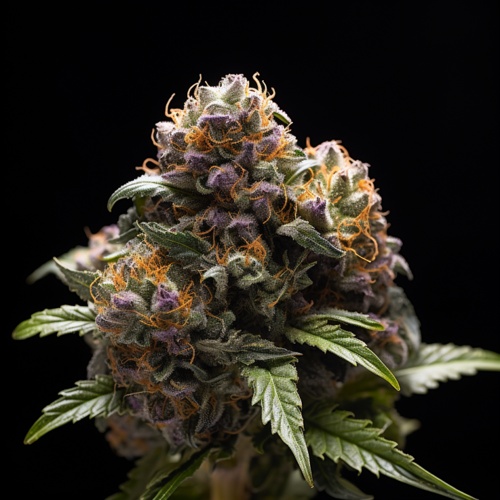
Cannabis Cultivation: A Step-by-Step Guide for Beginners, The Foundation You Need to Know

Cannabis cultivation may seem like a complicated task, but with the right knowledge, it is a rewarding and enriching experience. In this guide, we provide you with a solid foundation and practical tips to successfully embark on this exciting journey.
1. Understanding the Cannabis Plant
Anatomy of the Plant The cannabis plant consists of several parts:
- Roots: Responsible for absorbing nutrients and water
- Stem: Provides structure and transports substances
- Leaves: The main players in photosynthesis
- Flowers: This is the part we consume, rich in cannabinoids and terpenes.
Cannabinoids and Terpenes
THC and CBD are the most popular cannabinoids, but there are many others. Terpenes, which provide aroma and flavor, also play a vital role in the effects produced by the plant.

2. Choosing the Seeds
Cannabis Strains
There are three main strains:
- Sativa: Taller plants with energizing effects
- Indica: Shorter and sturdier plants, known for their relaxing effects
- Ruderalis: Primarily used for autoflowering strains
Selecting Strains
Think about the effect you are looking for. For example, a strain with high THC like "Northern Lights" is an excellent option for beginners due to its ease of cultivation and balanced effects.
3. Preparations for Cultivation
Cultivation Space
- Indoor: Requires investment in special lights, fans, and, in many cases, a system to control the climate
- Outdoor: Prioritizes a space with rich, aerated soil and sufficient sunlight
Substrate: For optimal cultivation, consider soil mixes enriched with perlite to improve aeration.
4. Cultivation Process
Germination: Place the seeds between two damp paper towels. In 3-7 days, you should see the first sprouts.
Care: Proper care is essential for the healthy growth of your plants. It is important to:
- Measure pH: Keep the substrate pH between 6.0 and 7.0 for soil, or between 5.5 and 6.5 in hydroponic systems.
- Apply Fertilizers: Provide specific nutrients according to the growth stage, following the manufacturer's instructions.
- Control Temperature and Humidity: Maintain a constant temperature and adequate humidity to prevent diseases and promote optimal development.
Vegetation: With an 18/6 light cycle (18 hours of light and 6 hours of darkness), your plant will grow strong. This phase is essential for developing a solid structure.
Flowering: By switching to a 12/12 cycle (12 hours of light and darkness), the plants will begin to flower. During this stage, it is crucial to provide the right nutrients.
Additional Notes:
- Recommended Tools: Investing in pH and EC meters, thermo-hygrometers, and automated irrigation systems can facilitate the cultivation process and ensure optimal conditions.
- Resources and Services: There are numerous online services and communities that offer detailed recommendations and professional advice to optimize the care of your plants. Don't hesitate to consult them for more specific and personalized information.

5. Harvesting and Curing
When to Harvest: The right time is when 70-90% of the trichomes are milky or amber in color.
Drying and Curing: Drying, in a dark place with controlled humidity, takes between 7-15 days. Curing in airtight jars can last several weeks, remembering to open them daily to aerate.
6. Legal Considerations
It is vital to be informed about the legality of cannabis cultivation in your area before starting.
With this information, you are ready to begin your adventure in the world of cannabis cultivation. As you gain experience, you will discover that, like any art, there is always something new to learn and improve. Good luck on your journey!